DISCOVER
Eraj Alisherov
Iran’s Blood-Born Democracy
Struggle and Dream
January 2026
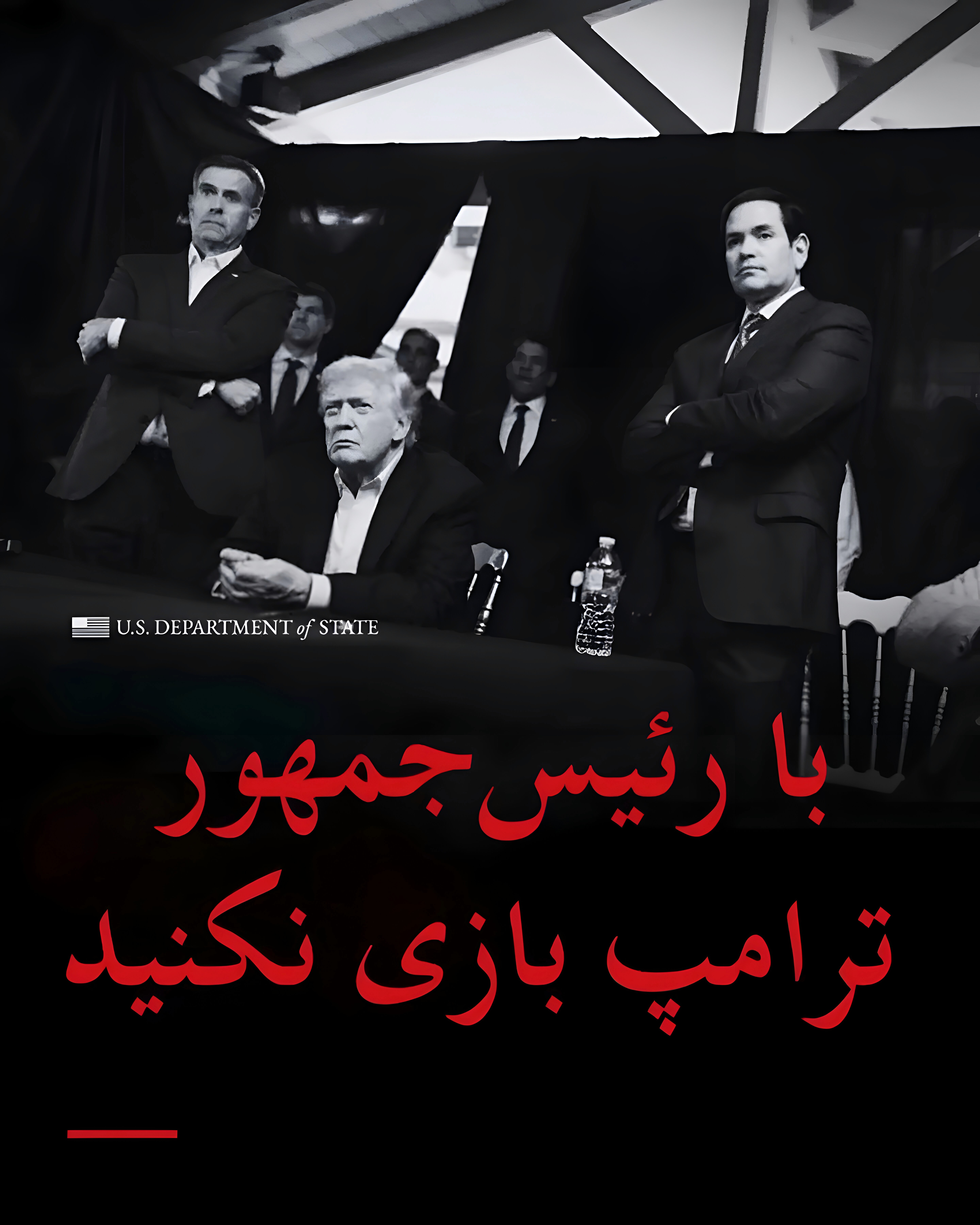
— US aircraft are already in Europe. That’s not a joke now. Really. 40+ killed in Iran by the IRGC. More bloodshed to come. The trip that was exploratory for me turned out to be symbolic, since the visit was not just a visit by a casual person. Yes, there are many Tajiks in Iran. And I am one of them—with perhaps the clearest picture right now in my mind of what is going to happen next. These observations are from a Persian Tajik perspective. Not just Persian. When people think of Persians, they usually end up thinking about an Islamic state. I am here to tell you another side of Persians: the successful yet silent example of Persian Tajik democrats from Central Asia—the only Persian nation that managed to hold strong to democracy, which could serve as a great example for the next era of Iran. I am here to tell you about Iran from the perspective of a Persian Tajik Democrat. Behold the words, respect the opinion, and never take it as fact, since real life can be very different from what it appears to be.
SERVICES
Analytical Comparison with Detailed Insights
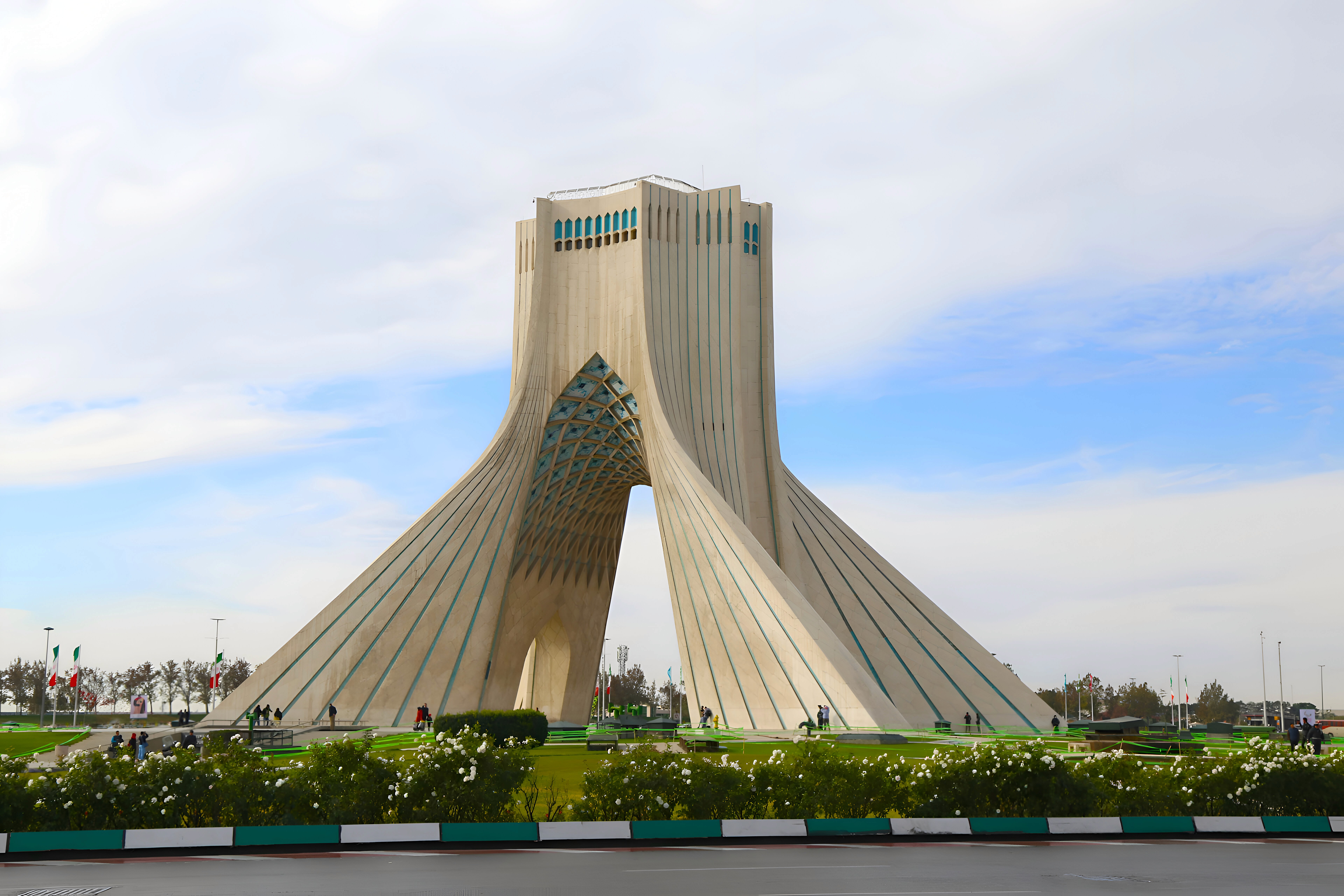
The Call to Tehran
Okay, I said to myself, I’ve got to visit Tehran now. But why? When I was in Africa, I proudly represented myself and introduced myself as a Persian Tajik Democrat from Tajikistan. When people heard me say the Republic of Tajikistan, they immediately asked one thing: What is that? Is that a country? Never heard of it before. But when I said that we speak the same language as Iranians, they said, Oh, so you are Persian, right? How come you never visited the place of your ancestors before?
That was the last straw on the camel’s back. I sat down and prepared. Documents, tickets, plan. Seven days: get to Tehran, visit Shiraz, analyze the people and the system. From December 26, 2025, till January 2, 2026. Seven symbolic days that turned my view into a prophecy (don’t take the word prophecy literally—things might change in real life, and I am nothing in front of Mother Life).
When I got to the airport, the first encounter was with an Iranian man who was, according to himself, doing some business in Tehran. Later, I found out that his job was to catch foreigners, get them to exchange USD to rials, and then escort them to a local taxi driver with whom he had a prior agreement. He did exactly that. What do you think the first suspicions might be as a foreigner—even if I speak Persian fluently? Yes, you’re right: they might lie. The first impression is that Iranian society, due to its radicalized theocratic political system, shattered economy, global sanctions, and inflation, has become used to lying to foreigners. He knew he could lie, and he took advantage of it. I felt that immediately.
First Encounters: Survival and Observation
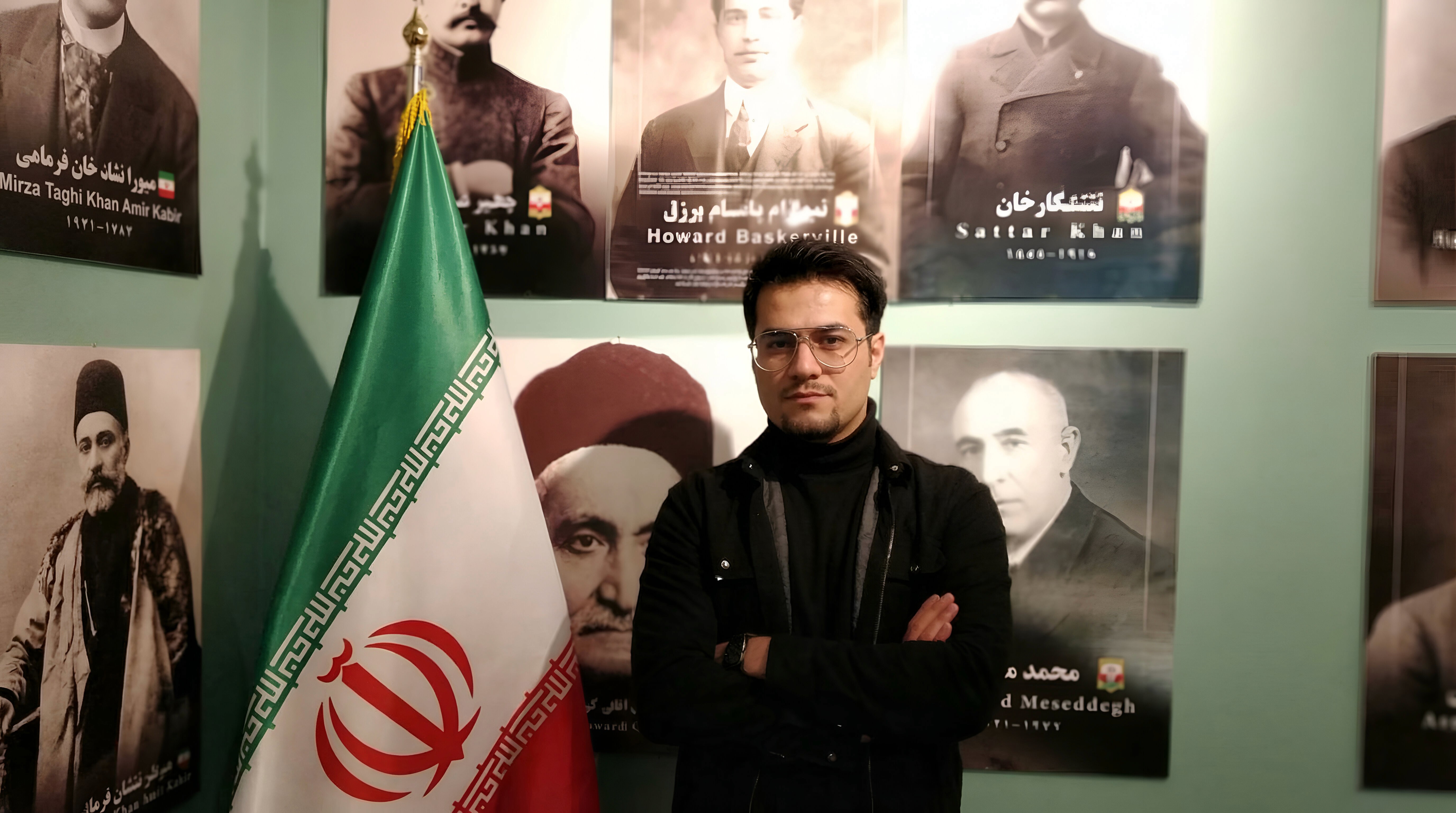
From the Archive: Eraj Alisherov’s Visit to the Former US Embassy (27/12/25)
Rule #1: God and religion disappear under pressure for survival. Never forget that. It means that all those fancy religious values that are supposed to uphold a human being disappear like snow in a hot-blooded hand. Of course, he gave a different amount. The taxi? The smartest smart-ass taxi driver I’ve ever seen.
Rule #2: never believe anyone when you are a foreigner in their country. The taxi driver said he had a lot of hotel business cards. But how? And why? What is the purpose? How do you end up being the one who has all the contacts? It’s a strategy—a Persian Schlau-Mauer scheme. Local Persian taxi drivers have agreements with hotels. Hotels say something like this: You bring me clients, you get money. The more clients you bring to my hotel instead of my competitor’s, the more money you earn. And they do exactly that. The taxi driver pulled out a stack of business cards and said four of them were good and cheap options. We arrived at the hotel—Parsa Hotel. I paid and needed to go upstairs. But why was the taxi driver still standing at the reception? Because he wanted his share. Again, this happens because of inflation and the strong need of Persian men to put food on the table for their children and wives. I didn’t care. The money wasn’t taken from me for pleasure—there is economic pressure on these people that forces them to lie.
Walking the Streets: The Aura of Tehran
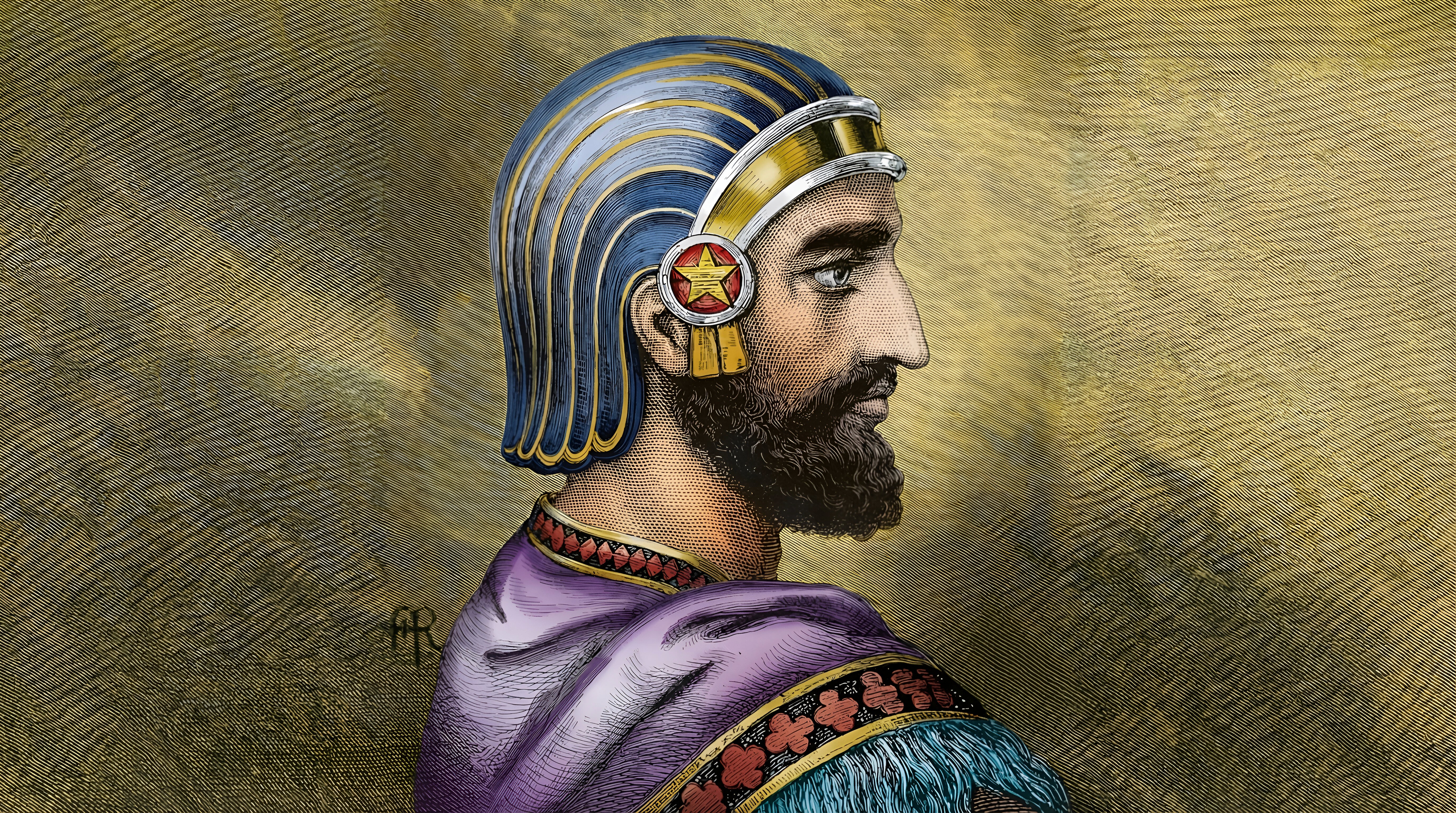
Do you know that each country has its own aura? I decided one thing: I needed to go out on the streets and analyze people’s gazes. The gazes are dead. No hope. Nothing. If I needed three words, I would say: hopeless, dead gaze. That’s it. I could feel the heavy breath of my Iranian ancestors. I could feel the sad gaze of Cyrus and Darius upon the streets. If those kings—already on another plane of existence—were able to transmit words, they would say something like: What have you done with yourselves, Pars? Rule #3: when you feel it, you feel it. Don’t fool yourself—admit it.
Rule #4: when they admire you, they will follow you—no matter what. I ordered several taxis. All of them noticed by my pure Persian accent that I am a Tajik. They exclaimed, I swear to God, we are friends, and I swear to God, we love you Tajiks. Then they asked me, Tell us who you are and tell us how your system works. I said, We are a successful example. They said, Oh, young man, tell us about this example. I told them that in my country, religion and government are separate. We are a democratic, secular country—the only Persians who have logic and a sense of responsibility for their country, the only Persians who understand the difference between religious belief and running a state. I said, If you walk the democratic streets of Tajikistan, you will see Christians, Jews, Hindus, Muslims, Zoroastrians—people who bow to completely different gods, yet none of them have the right to rule through religion.
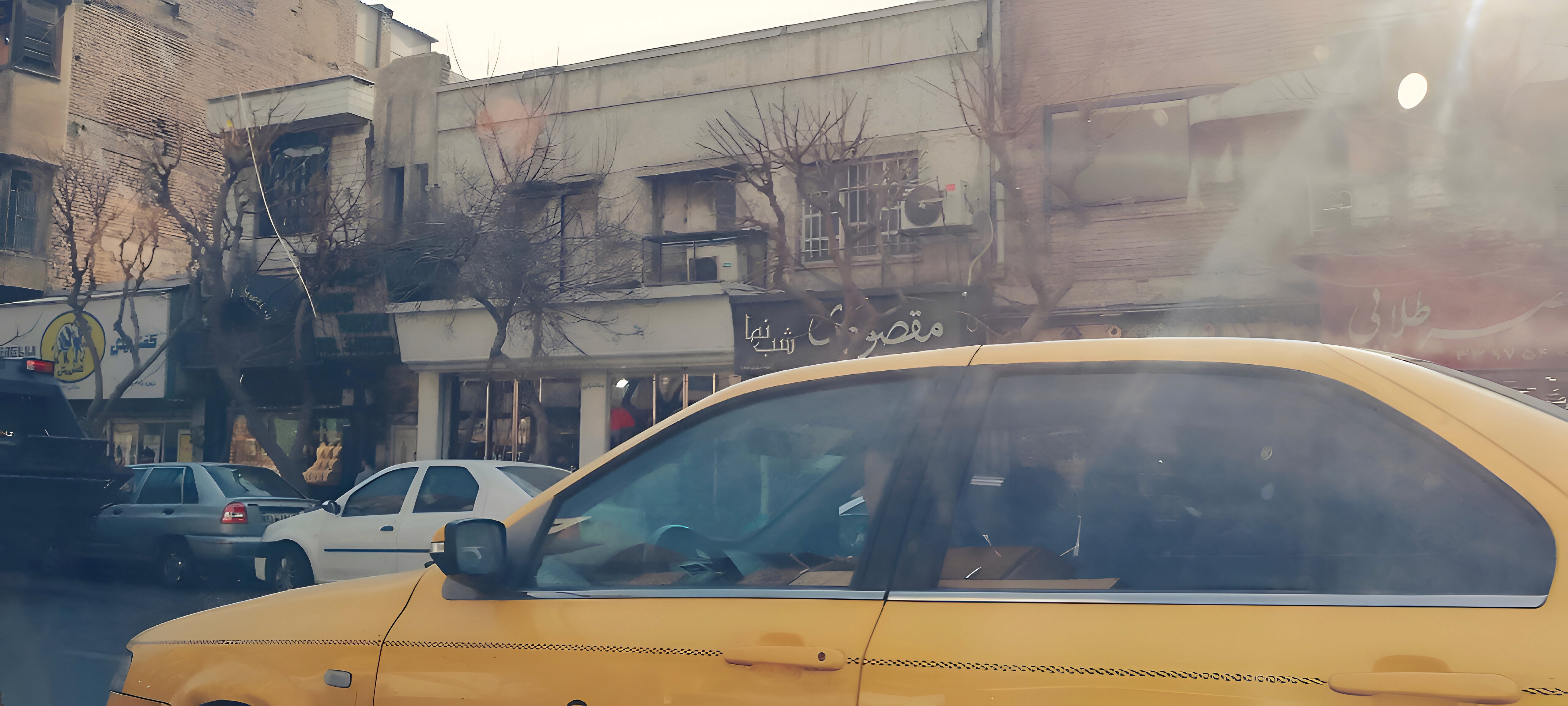
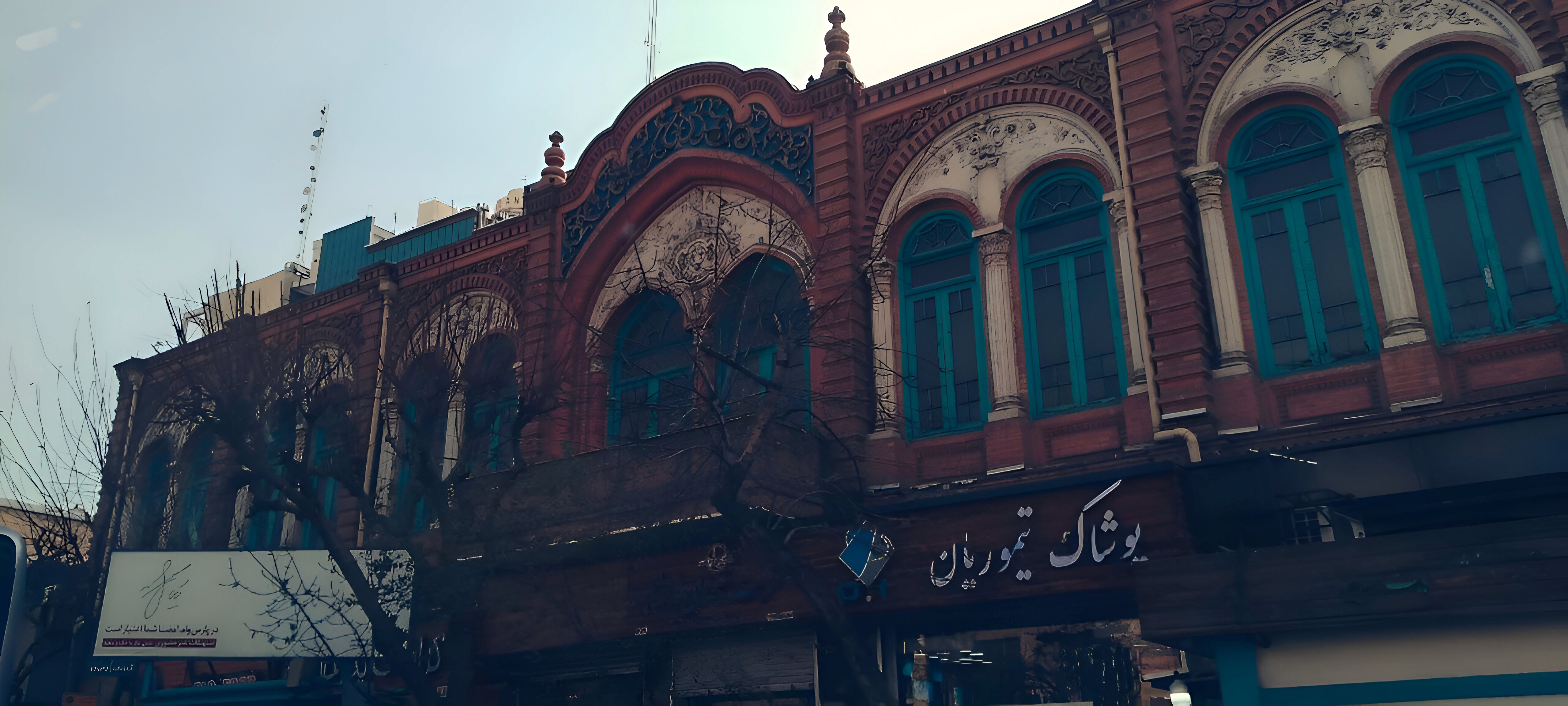
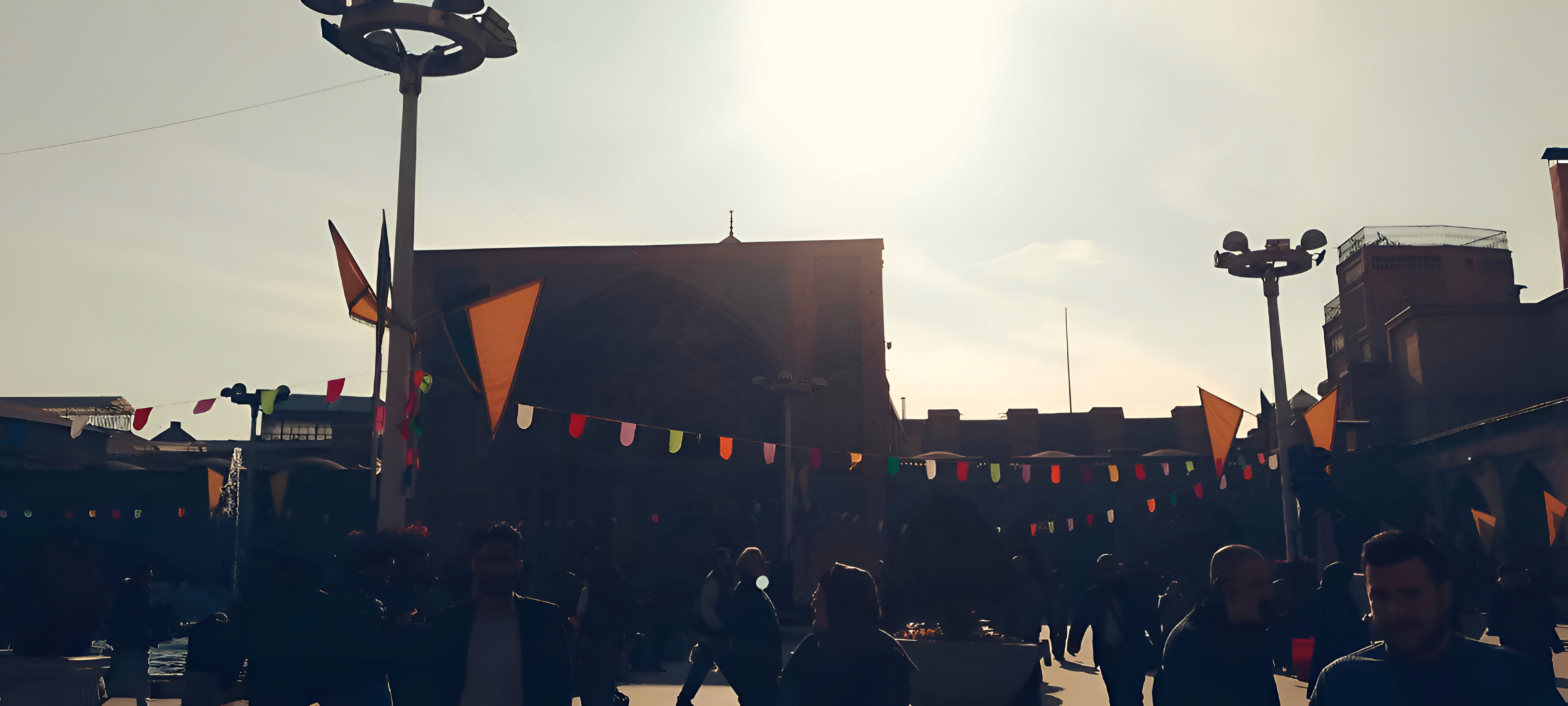
They said, That’s what Iran needs right now. Do you feel the weight of those words? When the taxi driver said that, I knew something different was coming this time. He said it with anger and determination. Inside my heart, I said one thing: Oh my God, an uprising—a revolution—is coming to the streets of Tehran. You could feel it. They admire, but they are also preparing to do the same—following the Tajik example.
Shiraz: Quiet Reflection
And here we are: December 28, 2025. The riots actually happened—either by coincidence or by a very accurate prediction I made to myself without sharing it with anyone. Merchants erupted over currency depreciation. You might think it’s just another strike. But no—this was something else. The first thing to do in such a case is not to visit bazaars or city centers. I stayed at the hotel to avoid dangerous encounters.
On December 31, 2025, I headed toward Shiraz, as it was relatively quiet at the time, without protests or riots. I found ABROMOWJ Trip & Travel Agency, which helped me acquire tickets—$95. Not much for an international Tajik patriot. The day before buying the ticket, I was inside a taxi. The driver found out I was Tajik, and since we share Persian blood, he started complaining about life. He said, Sometimes I hustle from early morning till evening and still can’t even make three goddamn US dollars. How does this happen? Many reasons—too many for one article. It deserves a book. He added that many Iranians, because of such low income, can’t even afford domestic flights. Traveling between cities feels like traveling between countries. Tajikistan has a population of 10 million. Tehran alone can outpopulate the entire country—16 million if you count surrounding regions. A scary number. Or maybe not that scary.
The Land of Ajam
‘’When I arrived in Shiraz, the first place I visited was the tomb of Saadi Shirazi. When you think of Shiraz, you might think first of Hafez, but Saadi is globally known—even the UN carries his words as a symbol of humanity. You can’t deny it—the man is still alive, even though his body is gone. People visit him, recite poetry, and wish him peace in the presence of God in the next life. Narenjestan? Oh man—I visited that too. Overall, Shiraz left a strong impression on me: a truly beautiful and peaceful city—for now.’’ — Eraj Alisherov, The Patriot
Observations on the Regime and Future
''Now we come to the main part: my thoughts on the regime and the future of Iran. The radical theocratic regime will fully collapse soon—likely by late 2026—initially replaced by a representative of the failed monarchy of the past, and later transforming into a new democratic state. People waited too long, and the results are devastating. Radical political Islam destroyed Iranian society.''
— Eraj Alisherov, The Patriot
Even if Iran manages limited global trade despite sanctions, it does not save the system. The economy is collapsing. You cannot kill elders and children forever when the majority is ready to shed blood to change everything and take matters into their own hands. Since America acts as a watchdog of the global democratic order, it will inevitably interfere and impose democratic transformation. Iranian people must remember that Reza Pahlavi represents a failed monarchy. Even if he returns, people will eventually tell him: We want a democratic and secular state.
The monarchy was also repressive—just as the theocracy is today. Neither seems as viable as the Tajik model. Ironically, people are protesting to remove a theocracy only to bring back a monarchy that failed the same way. This time, Iran must choose something in between—and someone must think clearly about democracy as the only real remedy for a collapsing state.
Inflation
2026 Economic Contraction Forecast