From Dangara to Deutsch Bias: How Those Around Me Shaped My Language Path
Published on
Reading Time
20 mins
Introduction
Hello to everyone, whether I know you or not—welcome. Writing posts on my personal website allows people around the world to gain insights and perspectives they might use to make important decisions. As a Persian Dangarian, this post is a message to all the young people from the city of Dangara. It's 2025, and time flies so fast that I can almost imagine my own grave. The world has become so unpredictable that you can never be sure what will happen in the next millisecond. The main thing to remember is that nobody is truly special—including myself. We are not exempt from the silence of God, a silence so profound that it can feel both deafening and overwhelming. As Rumi said, “Silence is the language of God; all else is poor translation.” In this sense, the intensity of His silence is what we experience as the imperfect translations of human languages. Words, then, are always attempts—never complete—at capturing what is ultimately ineffable.
I want to take you back to 2015, the golden year of my childhood, at the 56th school of Dangara City—the City of Dust and the Yellow Sun. I was a brilliant student by my teachers’ standards, not international ones. I did my best for myself, my school, my little family, and my community. We learned many things back then, and I realized that, in twenty years—now that I am 22 as of 28/09/2025—my brain would replay those experiences and draw conclusions to avoid repeating past mistakes. I don’t know if your brain does that, but mine frequently revisits moments from ten or fifteen years ago, weighing what I did right and wrong, and identifying what I can improve. I am writing all of this from Mauritius Main Island, Indian Ocean, part of Africa.
Backstory
When I was in 5th grade, we learned three languages: Tajik, German, and English. There was nothing wrong with foreign languages—except for German. The reason? Bias—what I call community bias. We had a small gathering of parents, including my mother, to discuss language priorities for their children. The German teacher, a woman with great knowledge and a difficult past, clashed with parents over the importance of German. I hope she is still alive so I can meet her, thank her for her efforts, and tell her how her influence became known internationally.
In 2015, the Tajik state predominantly focused on English. Some parents spent entire fortunes ensuring their children learned English, pushing German aside. By 2025, I analyzed the behavior of Tajik people and found that English and Russian are now seen as standard—everyone speaks them. The community realized that language learning should be balanced and free from bias. Choosing a language should align with personal goals. Nowadays, Tajiks are also learning “tropic” or local languages, such as Japanese, Vietnamese, Polish, and Hungarian, to open career opportunities abroad. English remains a default language, but balance is respected.
The Debate
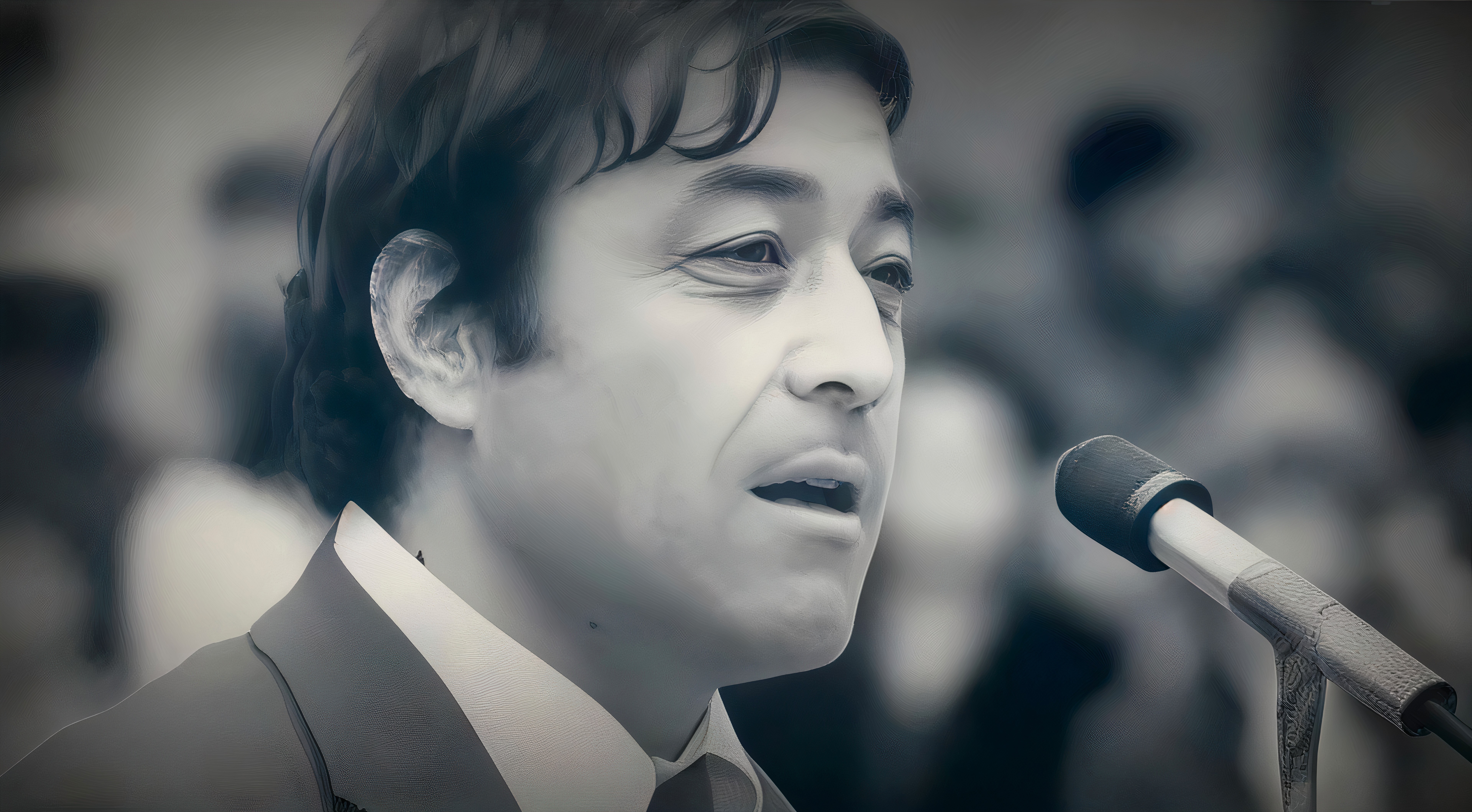
Back in 2015, the parents at the 56th school agreed unanimously: English was more important than German, and German classes should be dismissed. My mother, who had also graduated from the 56th school and was taught German by the same teacher, disagreed. She believed in balance and equality in language learning. As the poet Loiq Sherali wrote:
Three hundred tongues you may command, yet still not all,
Each might be summoned, heeding life’s capricious call.
But neglect your native speech, your soul’s own seed,
And endless regret will grow, no skill can meet the need.
No matter what happens, do not dismiss the chance to learn foreign languages.
The Year 2025
I said to myself, “Wow!” I researched Germany and its language: 95 million native speakers and a financial hub of Europe. I realized that the bias of those around me back then had influenced me deeply. German classes were dismissed, which was a tragedy. I continued learning the language independently, but the early dismissal still hurt.
By 2025, the balance was restored: no one cares which languages you choose. People are pursuing their personal goals, and bias has disappeared. Every language in Tajikistan has found its purpose and respect. This is Tajik democracy, and I love it.

Final Statistics
Here in Mauritius, 2025, I want to share a breakdown of the Tajik regions by linguistic knowledge:
Badakhshan: Autonomous province with a unique language and traditions. Residents grow up with four “bonus” languages: Pamiri, Tajik, Russian, and Persian. They often learn two more languages later (English, German, or Chinese), totaling six.
Khujand: Close to Uzbekistan, residents grow up with Tajik, Russian, Uzbek, and Persian. Later, they often add two more languages, usually English, German, or Chinese.
Khatlon (my region): Residents grow up with Tajik, Russian, and Persian. Later, they often add English, German, or Chinese.
In 2025, Khatlon is competing strongly with Khujand, and national competitions show a healthy, encouraging environment for language excellence.
P.S. This is my personal view based on experience; official statistics might differ.
Conclusion
Nothing in this world is useless. Life teaches you what you need to know, but nothing is permanent. Timing is everything—everything is important at the right time. Thank you for your attention.