In Pursuit of Connectivity: Dangara’s Vision
Published on
Reading Time
20 mins

Introduction
If you are a true negotiator — or, as people often call it, a diplomat — you are destined to be connected to the Internet. You must carry power banks in case you are far from an outlet, the right set of cables, and, above all, a portable bag with two types of essentials: electronics and hardware, and personal items such as razors, aftershave, perfume, and deodorant.
The life of a negotiator is destined to be international. And believe me: if you call yourself a negotiator even once, life will test you to prove whether you truly are one. Otherwise, it won’t be anything like you imagined.
Backstory
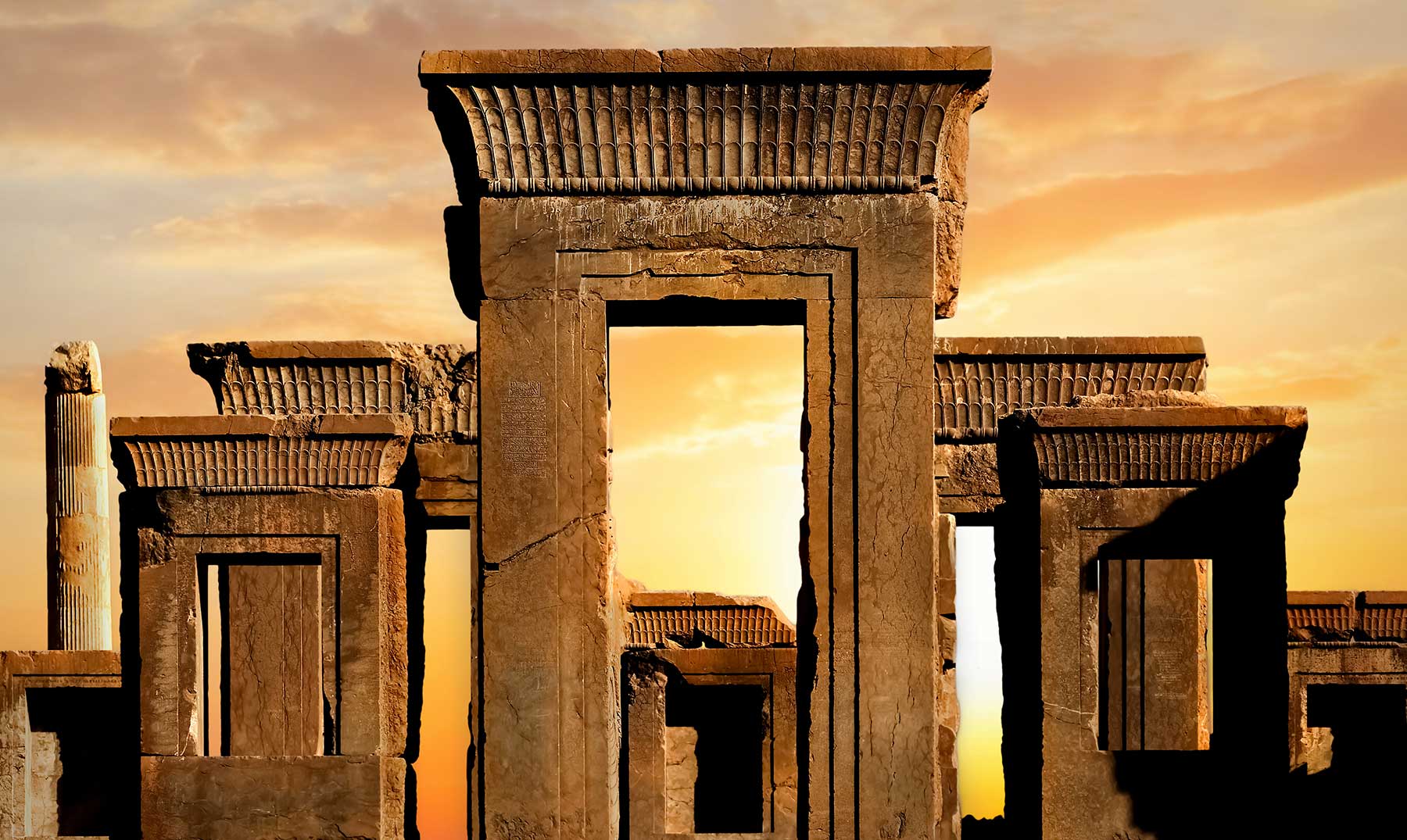
When I returned to Dangara City from Africa, finding a good Internet connection was a real struggle. Dangara is being reconstructed; it is destined to become a neo-Persian mini-state with grand ambitions and beautiful architecture.
Eventually, I found a local restaurant and made an arrangement with its owner to use the Wi-Fi. Yes, you heard that right. In Persia, before doing something regularly in someone’s business (like using Wi-Fi in a restaurant), you must first talk to them and get permission. Luckily, he agreed.
But here’s the problem: no matter how much money you spend eating there to “compensate” for the Internet and time, it’s never enough. The staff eventually get tired of seeing you so often. That’s a simple rule of life: once something becomes routine, it stops feeling special. Imagine having unlimited money but visiting only one restaurant — no matter how nice you are, people will eventually get tired of your face. That’s the beauty and the curse of life.
So if you are financially stable, make sure your work does not depend on someone else’s resources. Buy your own.
At one point, I had a small disagreement with the kalon — not the owner, but the manager. In Tajikistan, kalon (meaning “the big one”) is used for people in charge. I asked him to turn down the music a little. He refused, and I left the restaurant.
Seeking Other Choices
When I got home, I asked myself two questions:
Do you have money?
If yes, why are you still relying on someone else’s resources?
I turned to Perplexity AI for advice. On weekends I spend about four hours a day interacting with AI, and on weekdays up to eight hours. That’s right — I was born into a traditional family: my father is a young Gen X, my mother a young Gen Y. I come from Persian lands, so I’m not considered very modern or “cool” by Gen Z standards. Instead, I carry a mix — rooted in tradition, yet comfortable in the digital and AI era.
Most importantly, globalization and modernity have not taken away my national identity. I remain the same Tajik, listening to Odina Hoshim and other legendary singers of our culture.
Perplexity AI asked me a good question: “Eraj, when you’re online, what does the connection icon on your phone usually show?”
I answered: “Usually 4G or 4.5G.”
He said: “Perfect. You should consider SIM-card-based routers with long-life batteries that last up to 12 hours without electricity.”
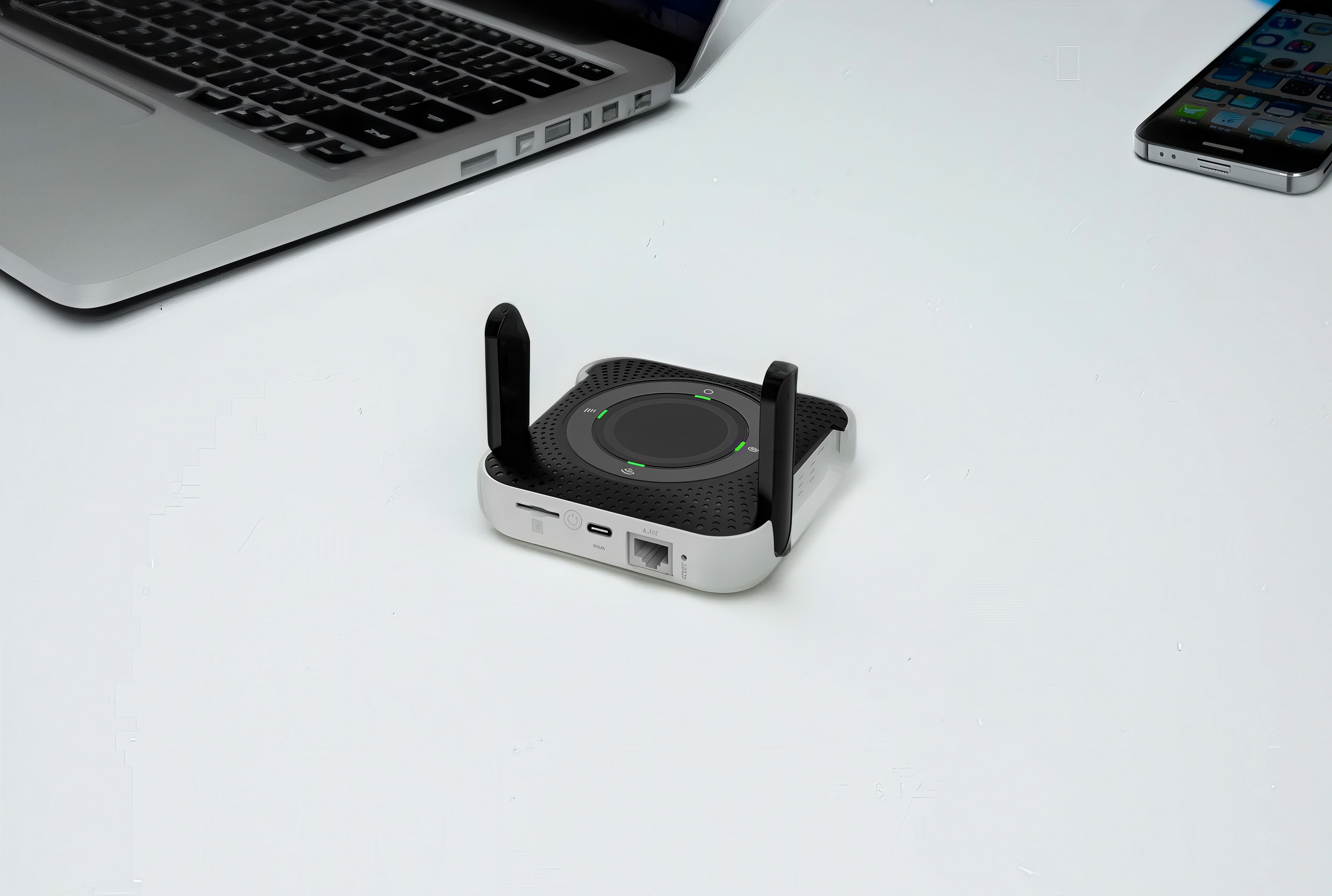
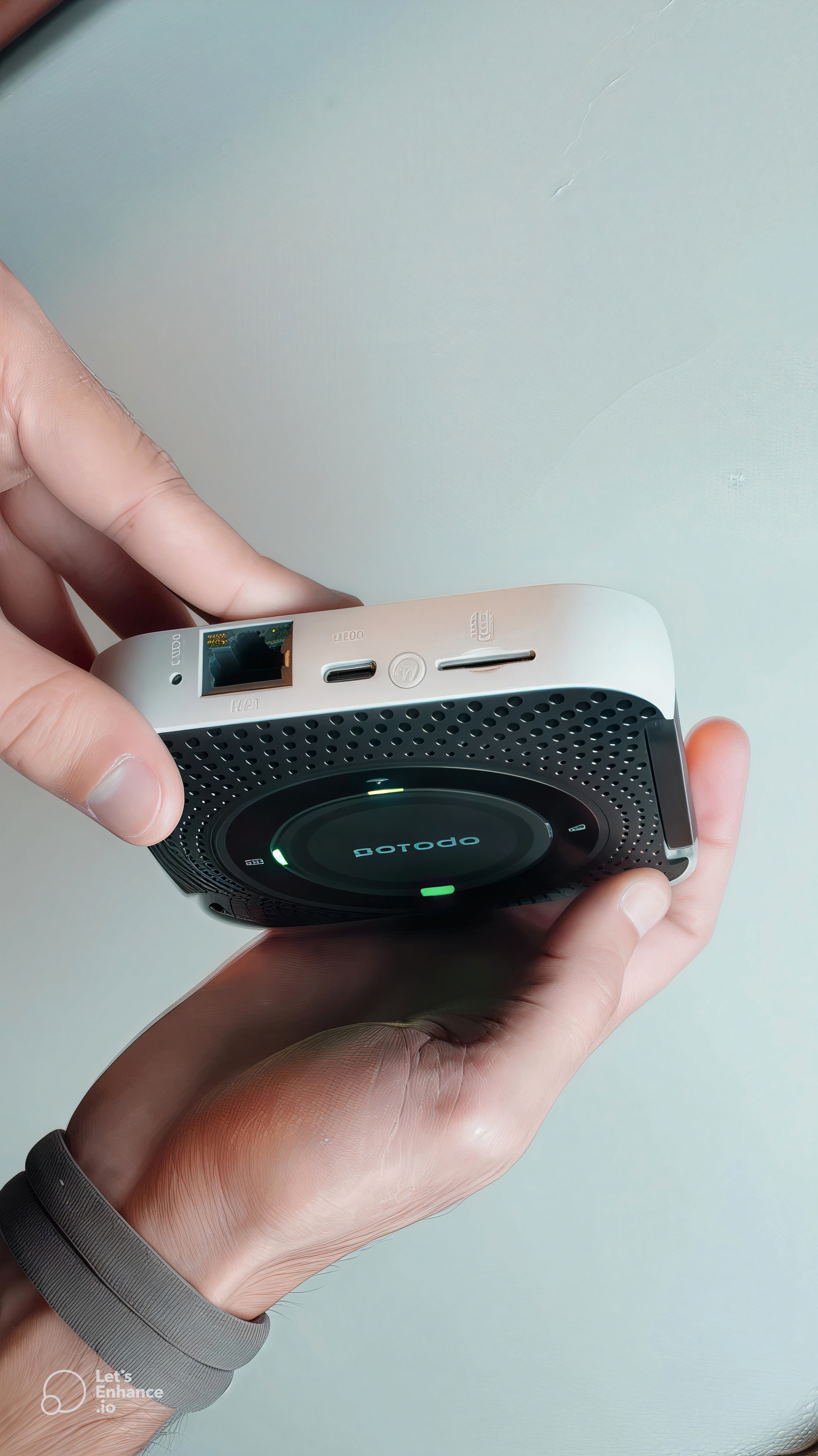
Then it recommended the Porodo CPE MiFi 3G/4G Wi-Fi Router (Black/Grey).
Product Overview
I immediately contacted Boron Store (technostore.tj) in Dushanbe Mall through alifshop.tj and spoke with the manager. He told me only one unit was left, so I quickly booked it and bought it for 950 TJS (about 94 USD).
The results were amazing. The AI recommendation turned out to be perfect: the router worked well even in remote regions like Khatlon, Badakhshan, Khujand, and the Districts of Republican Subordination — what I like to call “the Golden Center of Persian Tajikistan.”
The speed was 20–25 Mbps, which is more than enough for these regions. I tested it in different scenarios:
Long AI conversations (which demand stable Internet)
YouTube in full HD
Framer for website design
Google Docs and Sheets for work
Video calls
The performance was reliable, and I knew I had made the right choice.
However, one router wasn’t enough. Since I was leaving Tajikistan for Africa on September 26, 2025, I wanted another one for my family. I contacted URA.TJ, and they shipped the device from Khujand to Dushanbe by commercial plane.
Later, I discovered that in the whole of Tajikistan, only one other unit remained — in Khorog, Badakhshan, through URA.TJ. No other store carried this product.
The Last Words
At least I managed to get one more from Khujand.
Later, my former classmate from the 56th School in Dangara tested the router and was impressed. But instead of checking local online stores, he went to the Chinese marketplace Pinduoduo and found the exact same product for just 8 USD. I was shocked — Tajik stores were selling it at almost ten times the price. But it’s their business; they have their costs.
That, however, is not the point of today’s reflection. The point is: I shared my personal experience of overcoming temporary inconveniences, staying emotionally stable, and finding the best solution for myself and my family.
Conclusion
The conclusion is simple and taught me two lessons:
There is always another choice.
There is always a better price.
In my case, I needed the fastest and most reliable solution, which is why I bought locally. If I had known Pinduoduo earlier and had more time, I might have reconsidered. But given the urgency, I made the right decision.
My goal in sharing this is to help young diplomats and negotiators learn from my experience adapting to my environment. The best lesson is this: for negotiators and diplomats, having essential hardware with you at all times is critical — because in an emergency, you have no one but God and yourself.
Thank you for your attention and for reading this reflection.